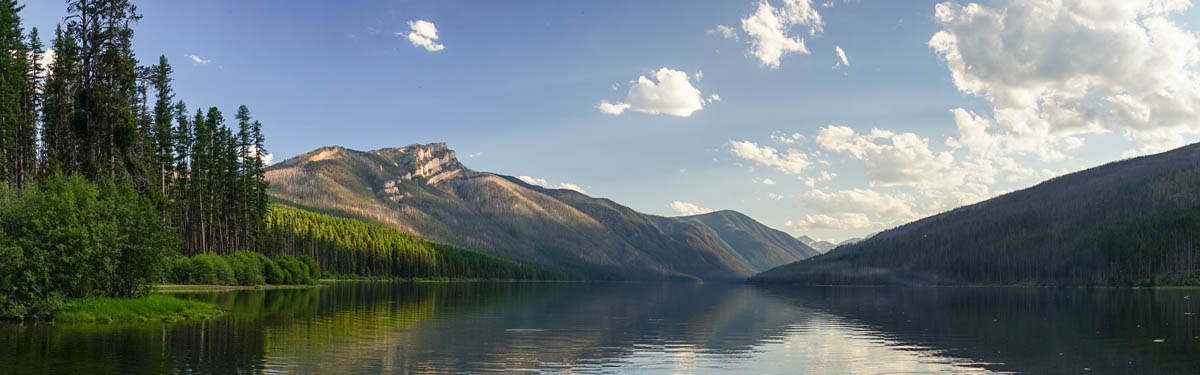
Castle Crags Wilderness
Introduction
The United States Congress designated the Castle Crags Wilderness (map) in 1984 and it now has a total of 8,627 acres. All of this wilderness is located in California and is managed by the Forest Service.Description
Sheer granite cliffs, towering spires reaching up to 7,200 feet and steep canyons hide five small alpine lakes in Castle Crags Wilderness. Indians held these rock formations in awe, rarely if ever, venturing into the heights, and battling the white miners who attempted to do so; in fact, the 1855 Battle of Castle Crags initiated the Modoc War. Below these rocky outcroppings (granitic intrusions from the Jurassic Period) most of the area is covered with fields of brush and a few wet meadows in the heads of several creeks. Mixed conifers (pine, fir, spruce, cedar) grow on the east, west, and north slopes. You will commonly encounter poison oak at lower elevations, where live oaks dominate the landscape. More than 300 species of wildflowers have been identified in the Wilderness, including the Castle Crags Harebell, which blooms nowhere else on earth. Rattlesnakes, black bears, deer, and squirrels abound, as do ticks. The Wilderness shares its southern border with Castle Crags State Park.You'll find 27.8 miles of maintained trails starting from nine trailheads. The Pacific Crest Trail rambles for 19 miles through the area and offers many splendid views of the Crags. No trails lead to the spires themselves, and although they look inviting to climbers, the granite is crumbly and unsafe. Human use of the area is light.
Planning to Visit the Castle Crags Wilderness?
- Print a fact sheet
- General things to consider when visiting any wilderness
- Regulations
- Contact the Forest Service
Leave No Trace
How to follow the seven standard Leave No Trace principles differs in different parts of the country (desert vs. Rocky Mountains). Click on any of the principles listed below to learn more about how they apply in the Castle Crags Wilderness.- Plan Ahead and Prepare
- Travel and Camp on Durable Surfaces
- Dispose of Waste Properly
- Leave What You Find
- Minimize Campfire Impacts
- Respect Wildlife
- Be Considerate of Other Visitors