Clearwater Wilderness

Introduction
The United States Congress designated the Clearwater Wilderness (map) in 1984 and it now has a total of 14,647 acres. All of this wilderness is located in Washington and is managed by the Forest Service. The Clearwater Wilderness is bordered by the Mount Rainier Wilderness to the south.Description
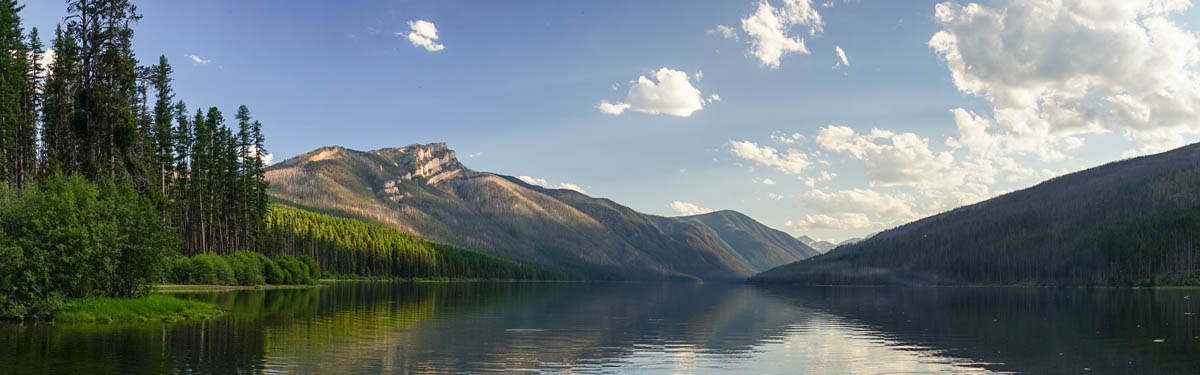
At about 6,089 feet, Bearhead Mountain stands higher above the headwaters of the Clearwater River than any other point in this Wilderness. Streams and small lakes (few of which you can reach by trail) quench the thirst of the old-growth Douglas fir, western red cedar, and western hemlock that shade these ridges. Most of the streams drain northward toward the north-flowing river. Ferns and mosses form a large part of the understory. Ninety percent of the annual precipitation falls between October and May, as much as 25 feet of it as snow that often lingers up high until late July. Wildlife here is typical of the Cascades: bears, deer, squirrels, skunks, raccoons, marmots, and a small number of elk. Just to the south lies Mount Rainier National Park.The Summit Lake Trail roams the forest for 2.5 miles and gradually ascends to Summit Lake, not a bad trail for horsepackers, with a view of Mount Rainier to the south. The Clearwater Trail (8.1 miles) descends east to the Clearwater River, then crosses Lily Creek and climbs to a small lake and on to the western Wilderness boundary. From the same trailhead as the Clearwater Trail, the Carbon Trail wanders south in a long bend for 9.4 miles to join the Summit Lake Trail. You may see quite a few other people, especially on weekends.
Planning to Visit the Clearwater Wilderness?
- Print a fact sheet
- General things to consider when visiting any wilderness
- Regulations, Fees, Permits
- Contact the Forest Service
Leave No Trace
How to follow the seven standard Leave No Trace principles differs in different parts of the country (desert vs. Rocky Mountains). Click on any of the principles listed below to learn more about how they apply in the Clearwater Wilderness.- Plan Ahead and Prepare
- Travel and Camp on Durable Surfaces
- Dispose of Waste Properly
- Leave What You Find
- Minimize Campfire Impacts
- Respect Wildlife
- Be Considerate of Other Visitors