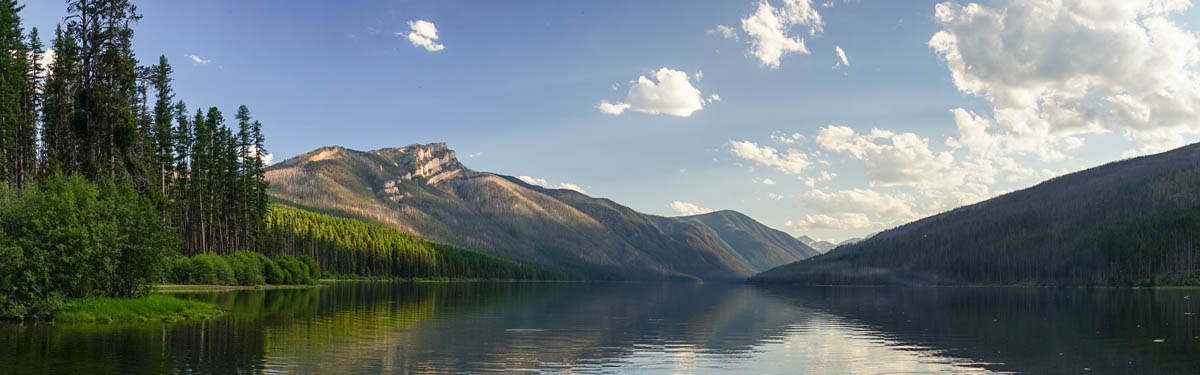
Great Swamp National Wildlife Refuge Wilderness

Library image #460: Photo taken off of Blue trail in Great Swamp National Wildlife Refuge Wilderness Area in Harding Township.
Introduction
The United States Congress designated the Great Swamp National Wildlife Refuge Wilderness (map) in 1968 and it now has a total of 3,660 acres. All of this wilderness is located in New Jersey and is managed by the Fish and Wildlife Service.Description
About 25,000 years ago the Wisconsin glacier receded from northern New Jersey, leaving extensive wetlands in its icy wake. The glacier's southernmost point became Great Swamp, which is far more attractive than its name might imply. With cattail marshes, wet grassland, swampy woodland, and ridges thick with oak, beech, and laurel, Great Swamp provides a home for mice, moles, skunks, raccoons, otters, foxes, and white-tailed deer. Migratory birds see Great Swamp as a "nest and rest" (bird-watchers have identified 222 species). Numerous reptiles and amphibians have taken up residence, including rare bog turtles, wood turtles, and blue-spotted salamanders.Almost half of the Great Swamp National Wildlife Refuge, the eastern portion, is designated Wilderness. About eight miles of trail provide access during daylight hours only, and camping and picnicking are not permitted.
Planning to Visit the Great Swamp National Wildlife Refuge Wilderness?
- Print a fact sheet
- General things to consider when visiting any wilderness
- Regulations
- Contact the Fish and Wildlife Service
- Northeast Region
Leave No Trace
How to follow the seven standard Leave No Trace principles differs in different parts of the country (desert vs. Rocky Mountains). Click on any of the principles listed below to learn more about how they apply in the Great Swamp National Wildlife Refuge Wilderness.- Plan Ahead and Prepare
- Travel and Camp on Durable Surfaces
- Dispose of Waste Properly
- Leave What You Find
- Minimize Campfire Impacts
- Respect Wildlife
- Be Considerate of Other Visitors