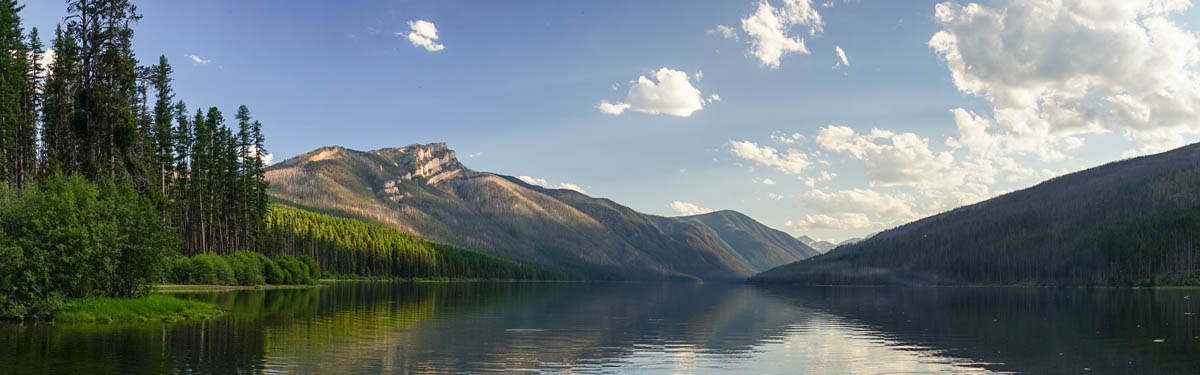
Hummingbird Springs Wilderness
Introduction
The United States Congress designated the Hummingbird Springs Wilderness (map) in 1990 and it now has a total of 31,200 acres. All of this wilderness is located in Arizona and is managed by the Bureau of Land Management.Description
Northeast of Hummingbird Springs, which sits near the middle of this Wilderness, a colorful escarpment, Sugarloaf Mountain, climbs steeply from the Tonopah Desert to 3,418 feet and lends this area remarkable scenic value. Over eight miles of the Big Horn Mountains are included in this Wilderness. Here you'll find hills and washes and bajadas abounding with saguaro, ocotillo, cholla, paloverde, and mesquite, habitat for desert bighorn sheep, mule deer, and desert tortoise. Kit foxes and Gila monsters race along the ground while Cooper's hawks, prairie falcons, and golden eagles rule the skies.Without maintained trails, the area can be backpacked easily, and primitive campsites abound. The water from Hummingbird Springs runs into a catchment accessible via a non-Wilderness jeep trail slicing into the area from the southern boundary. This jeep trail is all that separates Hummingbird Springs Wilderness from Big Horn Mountains Wilderness to the south.
Planning to Visit the Hummingbird Springs Wilderness?
- Print a fact sheet
- General things to consider when visiting any wilderness
- Regulations
- Contact the Bureau of Land Management
- Other recommended websites
Leave No Trace
How to follow the seven standard Leave No Trace principles differs in different parts of the country (desert vs. Rocky Mountains). Click on any of the principles listed below to learn more about how they apply in the Hummingbird Springs Wilderness.- Plan Ahead and Prepare
- Travel and Camp on Durable Surfaces
- Dispose of Waste Properly
- Leave What You Find
- Minimize Campfire Impacts
- Respect Wildlife
- Be Considerate of Other Visitors