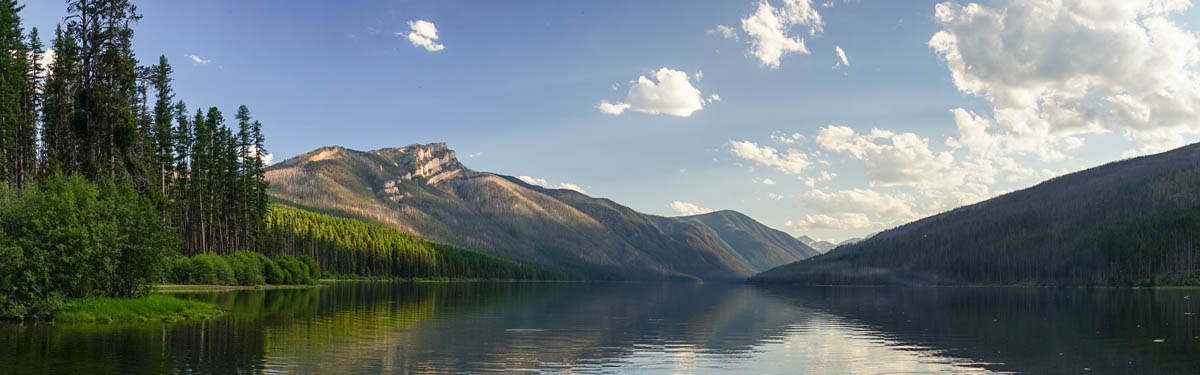
Big Horn Mountains Wilderness
Introduction
The United States Congress designated the Big Horn Mountains Wilderness (map) in 1990 and it now has a total of 21,000 acres. All of this wilderness is located in Arizona and is managed by the Bureau of Land Management.Description
Big Horn Peak emerges 1,800 feet above a desert plain near the middle of this Wilderness. Neighboring escarpments add to this area's exceptional scenic value. Nine miles of the jumbled ridgeline of the Big Horn Mountains cross the Wilderness, surrounded by small hills, fissures, chimneys, and slim canyons. Here you'll find desert bighorn sheep as well as Gila monsters, kit foxes, and desert tortoise. Other permanent residents include golden eagles, prairie falcons, barn owls, and great horned owls, all of whom nest on the walls of the canyons. Just to the north of this area, separated only by a jeep road, lies Hummingbird Springs Wilderness.Although there are no trails, hikers can access the area via unmaintained dirt roads from the northern, eastern, and western boundaries. In addition to backpackers, the area draws expert rock climbers. Primitive camping opportunities exist throughout the wilderness for the well versed camper. Water is limited and during most months unavailable.
Planning to Visit the Big Horn Mountains Wilderness?
- Print a fact sheet
- General things to consider when visiting any wilderness
- Regulations
- Contact the Bureau of Land Management
- Other recommended websites
Leave No Trace
How to follow the seven standard Leave No Trace principles differs in different parts of the country (desert vs. Rocky Mountains). Click on any of the principles listed below to learn more about how they apply in the Big Horn Mountains Wilderness.- Plan Ahead and Prepare
- Travel and Camp on Durable Surfaces
- Dispose of Waste Properly
- Leave What You Find
- Minimize Campfire Impacts
- Respect Wildlife
- Be Considerate of Other Visitors