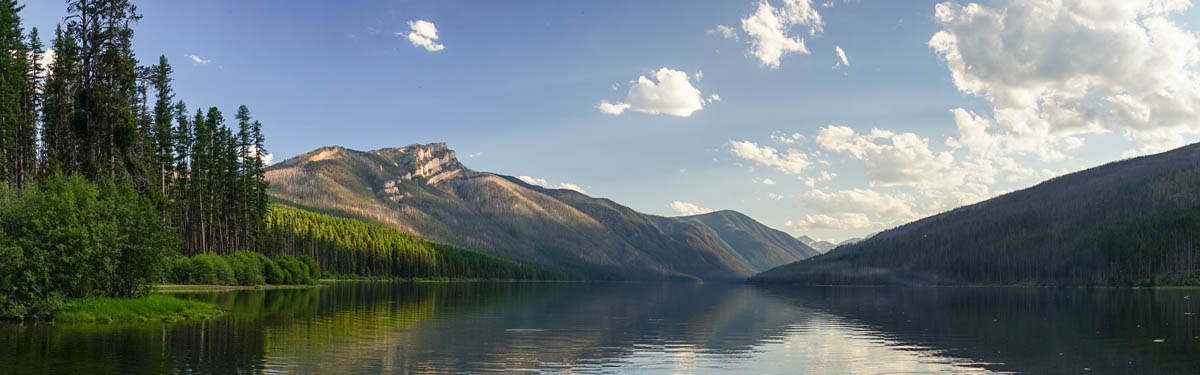
South Etolin Wilderness
Introduction
The United States Congress designated the South Etolin Wilderness (map) in 1990 and it now has a total of 82,619 acres. All of this wilderness is located in Alaska and is managed by the Forest Service.Description
This island wilderness extends from lofty, ice-carved, granite peaks to the rocky coast, including a rim of small-protected islands. The introduction of elk that inhabit the area affects the natural systems in this wilderness. The lack of unique Alaskan features does not attract the masses and therefore provides exceptional opportunities for complete solitude in this temperate rainforest.Area Description and Location: The South Etolin Wilderness (83,371 acre) is on the south end of Etolin Island and several smaller islands about midway between Ketchikan and Wrangell on the Inland Passage, and about 15 miles north of the community at Thorne Bay across Clarence Strait. The Wilderness is also on the Alaska Marine Highway route. The area's main attractions are fish and wildlife values for local residents. There is moderate use along the shoreline and very low use in the interior of the wilderness.
The area's main attractions are its moderate fish and wildlife values and its value as a popular subsistence use area for the residents of Wrangell and Prince of Wales Island. Elk have been introduced to Etolin Island and have become established within the area. The multitude of small islands and passages provide numerous anchorages for recreation activities and small boat travel opportunities. These same features have led to study of potential sites for mariculture activities.
From a spruce and hemlock forest at sea level, the South Etolin Wilderness rises above the tree line to a height of over 3,700 feet on Mount Etolin. In the northern portion you'll find steep terrain with rocky peaks and high mountain lakes. The southern section of the Wilderness is gentle forested land, which receives an average of 90 inches of rain per year. Several smaller islands abut South Etolin's eastern, western, and southern shorelines. Twenty-eight streams have been identified as habitat for trout and salmon.
Black bears, and Sitka black-tailed deer are common, while brown bears are present, but not abundant. In 1987, 50 elk were introduced, an unusual move because these large deer are not indigenous. The herd is apparently doing well, but the exact number of elk currently on the island is not known. Waterfowl and shorebirds are present in spring and fall, and harbor seals haul out on some of the beaches. Bald eagles nest along many inlets.
The main shoreline and areas surrounding the smaller islands provide opportunities for sea kayakers and canoeist. Motorized boat operators need to be aware of submerged rocks. No established trails exist. Despite its nearness to Wrangell, Meyers Chuck, and Ketchikan, this area receives little visitation.
Access: The most frequently used means of access is boat and floatplane. Some of the high elevation lakes in the wilderness may be reached by float plane as well.
Planning to Visit the South Etolin Wilderness?
- Print a fact sheet
- General things to consider when visiting any wilderness
- Regulations
- Contact the Forest Service
- Visit the National Forest wilderness website
Leave No Trace
How to follow the seven standard Leave No Trace principles differs in different parts of the country (desert vs. Rocky Mountains). Click on any of the principles listed below to learn more about how they apply in the South Etolin Wilderness.- Plan Ahead and Prepare
- Travel and Camp on Durable Surfaces
- Dispose of Waste Properly
- Leave What You Find
- Minimize Campfire Impacts
- Respect Wildlife
- Be Considerate of Other Visitors